
 Pay Online
What Are the Leading Causes of Motorcycle Accidents in Illinois?
What Are the Leading Causes of Motorcycle Accidents in Illinois?
One minute, you are riding down the highway on your motorcycle and enjoying the road. The next minute is marked by confusion, pain, and sirens. When a crash happens, it is normal to replay the event in your mind repeatedly. You likely want to know exactly what went wrong or who is to blame.
The attorneys at SAM LAW OFFICE LLC have worked with motorcycle accident victims for years. We know that finding the “one reason” for a crash is rarely simple. Accidents are usually the result of several factors coming together at the wrong time.
Here are some of the most common causes of motorcycle accidents we’ve observed in Illinois:
- Visibility Issues that make motorcycles harder for drivers to see
- Dangerous Road Maneuvers, like unsafe turns and lane changes
- Road Hazards that affect motorcycles more severely than cars
- Lack of Protective Gear that increases injury severity
Below, we break down how each of these causes gives rise to distinct legal complexities.
Why Don’t Drivers Notice Motorcycles on Illinois Roads?
One of the biggest causes of motorcycle accidents is visibility. Motorcycles are smaller than cars, making them harder to see. They fit easily into blind spots, and side-view mirrors are designed to highlight larger objects. If a driver takes only a quick glance before changing lanes or merging, they might not see a motorcycle at all. This can result in side-swipe collisions, often forcing riders off the road or into another lane with little time to react.
There’s also the issue of inattentional blindness. Drivers are trained to look for cars and trucks, so their brains are less likely to register smaller vehicles like motorcycles, even when they’re right in front of them.
In many of these cases, drivers are found at fault for failing to keep a proper lookout. However, fault isn’t always automatic. Factors like whether the rider was intentionally riding in a dangerous position or taking unnecessary risks can also come into play. It’s a reminder of how critical it is for injured riders to have strong legal support.
Why Do So Many Drivers Make Unsafe Decisions Around Motorcycles?
Beyond visibility problems, many motorcycle crashes happen because drivers make unsafe decisions when motorcycles are nearby. When a driver sees a motorcycle, they may assume they have more time or more space than they actually do. This leads to reckless behavior that would not occur if another car were approaching.
Left turns are one of the most common examples of this behavior. A driver sees an oncoming motorcycle and thinks they can beat it through the turn. In reality, motorcycles often approach faster than they appear. By the time the driver realizes their mistake, there is no room for the rider to slow down or avoid impact. These crashes are often violent because they occur head-on or at an angle, leaving the rider fully exposed.
Legally, fault often rests with the driver who failed to yield the right-of-way. Even so, riders are frequently subjected to closer scrutiny than other motorists. Insurers may look for ways to shift blame by questioning speed or riding behavior. This makes legal advocacy especially important.
Can Bad Roads and Weather Really Cause a Motorcycle Accident?
Weather and road conditions are another major contributor to motorcycle accidents. What might seem like a minor hazard for a car, such as a pothole, loose gravel, or a slick patch of road, can be far more dangerous for a motorcycle. With only two wheels, motorcycles are much less stable, and hazards like rain, oil slicks, or uneven pavement can cause a sudden loss of traction.
Unfortunately, when accidents like these happen, insurance companies are often quick to point the blame at the rider. They may dismiss the incident as an unavoidable act of nature or accuse the rider of inexperience or mishandling their bike. While these factors might play a role, assigning fault in these situations is rarely straightforward.
In many cases, other parties may have contributed to the accident. For example, other drivers following too closely or driving aggressively may worsen conditions by kicking up water or debris. Additionally, government entities may share responsibility when they fail to properly maintain roads, leaving hazards like potholes or water accumulation unchecked. Determining fault in these cases often requires a deeper investigation into all contributing factors.
Does Not Wearing a Helmet Make Motorcycle Accidents More Severe in Illinois?
Another important factor in motorcycle accident cases is protective gear. While helmet use does not cause or prevent a crash, it significantly affects injury severity. Illinois does not require motorcyclists to wear helmets, but the medical evidence is clear. Helmets reduce the risk of death by 37-42%.
Insurance companies often raise helmet use during injury claims, even when the rider was not responsible for the crash. They may argue that injuries would have been less severe with a helmet, which can affect compensation. Understanding how these arguments are used is an important part of protecting your claim.
Understanding the Cause Helps You Reclaim Control
When motorcycle accidents and injuries are caused by visibility issues, reckless driving, road hazards, and safety choices, fault becomes complex. Riders may find themselves unfairly blamed or pressured to accept responsibility that does not reflect what actually happened. Having an experienced motorcycle accident lawyer can help clarify fault, push back against unfair assumptions, and protect your rights throughout the claims process.
If you are looking for steady guidance after your Illinois motorcycle accident, reach out to SAM LAW OFFICE LLC. We can help you take the next steps toward recovery.
Reviews
Providing Legal
Solutions In An
Equitable &
Cost-Effective Manner
Related Articles

One minute, you are riding down the highway on your motorcycle and enjoying the road. The next minute is marked by confusion, pain, and sirens. When a crash happens, it…

Ending a relationship is rarely simple. You might know that living together is no longer working, yet you are not ready to close the door on your marriage forever. This…
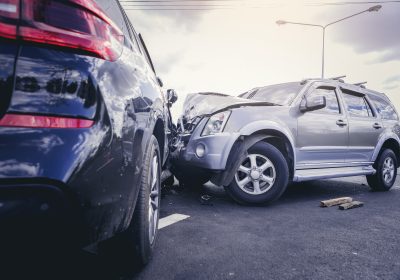
Losing a loved one in a car crash is a life-altering tragedy. In the first hours and days, the shock can feel debilitating; grief, disbelief, and confusion often blend, making…
Contact Us
Get Your Free Consultation!

Attorney Advertising. This information is designed for general information only. The information presented should not be construed to be formal legal advice nor the formation of a lawyer/client relationship. Past results and testimonials are not a guarantee, warranty, or prediction of the outcome of your case, and should not be construed as such. Past results cannot guarantee future performance. Any result in a single case is not meant to create an expectation of similar results in future matters because each case involves many different factors, therefore, results will differ on a case-by-case basis. By providing contact information, users acknowledge and give explicit consent to be contacted via the methods of communication provided, including SMS. Message and data rates may apply. Message frequency may vary. Reply STOP to opt out.
NUVEW | Copyright 2026 All Rights Reserved | Accessibility Notice | Privacy Policy