
 Pay Online
Who Pays for Injuries After an Uber or Lyft Accident?
Who Pays for Injuries After an Uber or Lyft Accident?
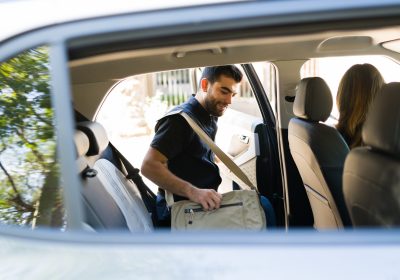
Getting hurt while riding in an Uber or Lyft is a terrifying experience. You were just a passenger in someone else’s car, yet you’re the one dealing with physical pain and stressing about how you will pay for ambulance rides, hospital visits, and time away from work.
At SAM LAW OFFICE LLC, our lead attorney has represented rideshare accident victims for years. We understand the challenges these cases present and are here to help you find a path forward.
Generally, the main parties that can pay for your injuries after an Uber or Lyft accident are:
- The rideshare driver’s personal insurance policy
- The rideshare company’s commercial insurance policy
- Another at-fault driver’s insurance
Determining exactly who must pay and when can be complicated. Let’s break it down so you know what to expect.
How Does Rideshare Insurance Work After an Accident?
Uber and Lyft are required to carry commercial insurance, but this coverage is not always active. It depends entirely on the driver’s status at the time of the crash. The coverage shifts based on whether the driver was logged into the app, waiting for a ride request, or actively driving a passenger.
What If the Rideshare Driver Wasn’t Logged Into the App?
If the rideshare driver was not logged into the app when the accident happened, they are not considered to be operating in a commercial capacity for the rideshare company. As a result, the company’s insurance policy does not apply. Instead, the driver’s personal auto insurance becomes the primary coverage for any damages or injuries caused during the accident.
What Happens if the Rideshare Driver Was Logged in but Had No Passenger?
If a rideshare driver caused the accident when they didn’t have a passenger, coverage during this specific time is often limited. This timeframe is often called “Period 1” in insurance terms, and during this period, the rideshare company typically provides lower liability limits. If the driver causes an accident, their commercial policy might not fully cover your damages. In many cases, injured victims must rely on the driver’s personal auto insurance first.
What If the Accident Happened While the Rideshare Driver Had a Passenger?
If the rideshare driver had accepted a ride request or had already picked you up, the situation changes. This is known as “Period 2” or “Period 3.” During this time, full commercial coverage is usually in effect.
Uber and Lyft generally provide a $1 million liability policy during this phase. This policy is designed to cover:
- Medical bills
- Lost wages
- Other injury-related claims
However, just because the policy exists does not mean the company will pay out easily. Rideshare companies often dispute fault to protect their bottom line. This can delay the support you need to recover.
What Happens If Another Driver Caused the Rideshare Accident?
If another driver, not the rideshare driver, caused the accident, their auto insurance is the main source of compensation for your injuries and other damages. This means that the at-fault driver’s policy should pay for medical bills, lost wages, and other injury-related expenses before any rideshare coverage is considered.
However, there are situations where the at-fault driver’s insurance might not fully cover your damages, such as if they are uninsured or underinsured. In those cases:
- The rideshare driver’s personal insurance may provide coverage.
- Uber or Lyft’s underinsured motorist coverage may also come into play if the at-fault driver’s policy limits are too low.
Coordinating with multiple insurance companies can be stressful, but remember: as an injured rideshare passenger, you have the right to seek fair compensation, regardless of who caused the crash.
What Should You Do After an Uber or Lyft Accident?
No matter who is at fault for your rideshare accident or which insurance company will handle the claim, there are important steps you should take to protect your right to compensation. Here’s what you should do:
- Report the crash: Use the app’s safety features to report the accident immediately.
- Document everything: Take photos of your injuries, the accident scene, and any vehicle damage. Save screenshots of your ride receipt and any communications related to the crash.
- Get medical help: Visit a doctor as soon as possible to create a documented record of your injuries.
- Consult a legal professional: Rideshare accidents involve complex layers of insurance. An experienced injury attorney can manage the legal process and protect your interests.
Turn a Confusing Accident Into a Clear Path Forward
Facing injuries after an Uber or Lyft accident can be incredibly confusing, and it doesn’t take long for medical bills and lost wages to pile up.
At SAM LAW OFFICE LLC, we help rideshare victims with everything from dealing with multiple insurance companies to deciphering liability between drivers and rideshare platforms. Contact us today to protect your rights and start recovering.
Reviews
Providing Legal
Solutions In An
Equitable &
Cost-Effective Manner
Related Articles
Getting hurt while riding in an Uber or Lyft is a terrifying experience. You were just a passenger in someone else's car, yet you're the one dealing with physical pain…

Ending a marriage is never easy, but when you and your spouse both have careers, the process might feel even more intimidating. You may dread how much more complicated your…

One minute, you are riding down the highway on your motorcycle and enjoying the road. The next minute is marked by confusion, pain, and sirens. When a crash happens, it…
Contact Us
Get Your Free Consultation!

Attorney Advertising. This information is designed for general information only. The information presented should not be construed to be formal legal advice nor the formation of a lawyer/client relationship. Past results and testimonials are not a guarantee, warranty, or prediction of the outcome of your case, and should not be construed as such. Past results cannot guarantee future performance. Any result in a single case is not meant to create an expectation of similar results in future matters because each case involves many different factors, therefore, results will differ on a case-by-case basis. By providing contact information, users acknowledge and give explicit consent to be contacted via the methods of communication provided, including SMS. Message and data rates may apply. Message frequency may vary. Reply STOP to opt out.
NUVEW | Copyright 2026 All Rights Reserved | Accessibility Notice | Privacy Policy